Bursar's Report
Toby Wilkinson, Bursar

This year’s broadly positive report for the College is set against a gloomy backdrop for the UK higher education sector as a whole, which continues to face serious financial challenges. Over 40% of providers are in deficit and an increasing number are facing cash-flow difficulties.
Hardly a week goes by without a university announcing staff redundancies, course and departmental closures, or both. The Department for Education is actively planning for the possibility that one or more universities may have to be rescued financially. Given that tuition fees have failed for many years to keep pace with the rising costs of delivering higher education, and that research grants do not cover the full costs of research, there is no immediate prospect of the overall sector-wide financial situation improving.

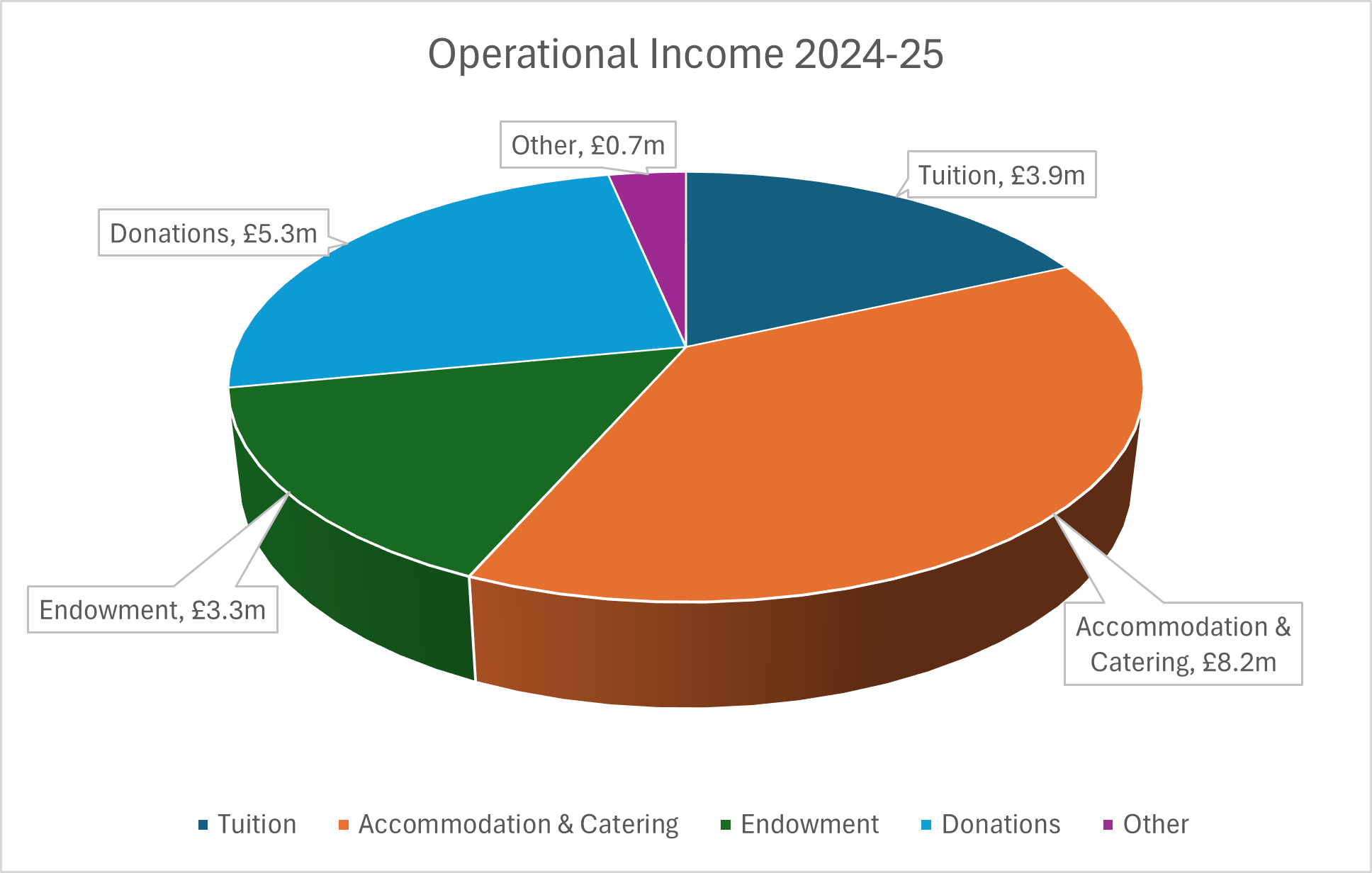
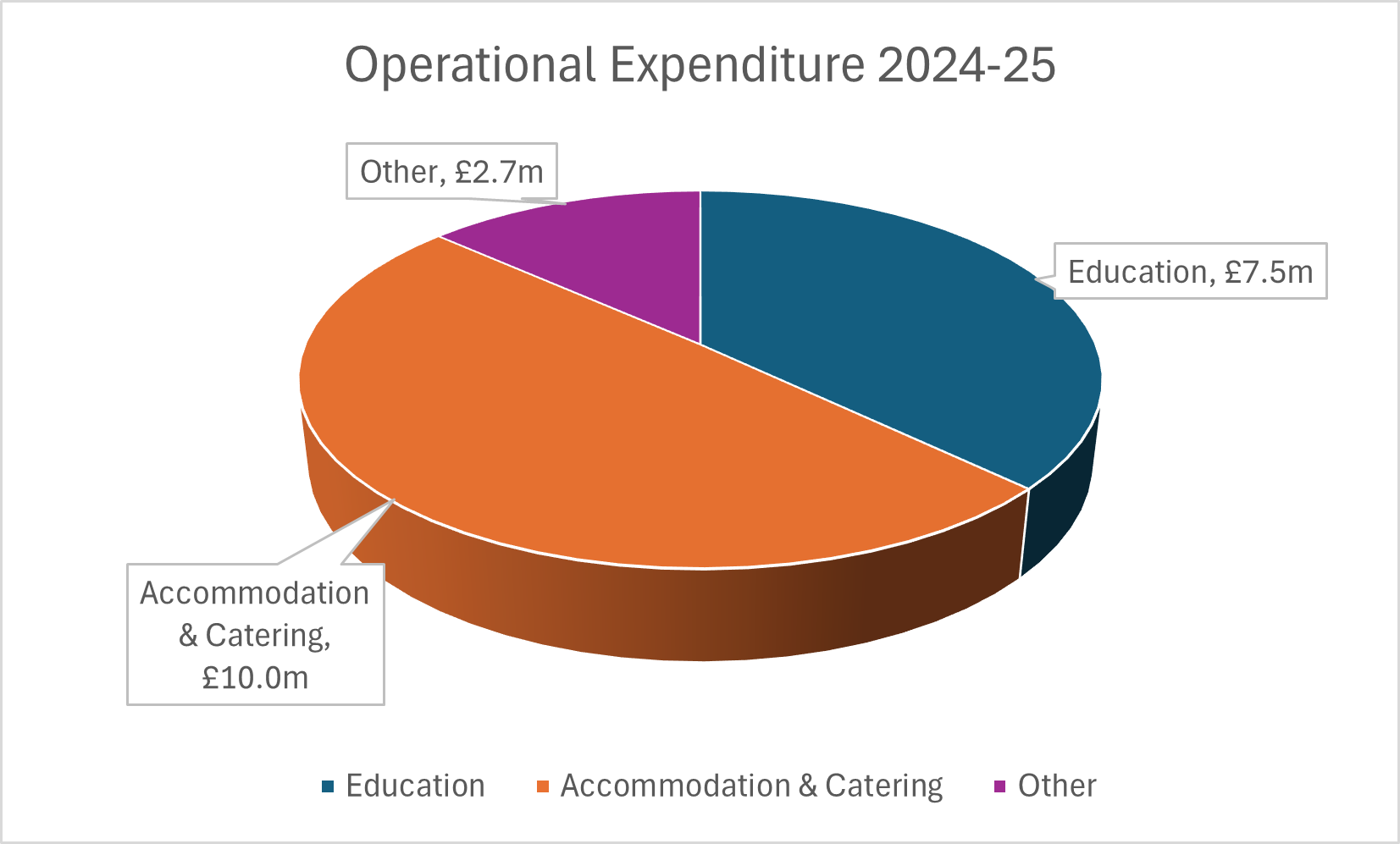
Clare is fortunate to have an endowment which, though by no means sufficient to fund our principal activities, provides a measure of financial resilience and allows us to plan for the future. None the less, many of our core costs (notably salaries and food) continue to experience significant inflationary pressures. At the same time, our main income streams are either effectively frozen (student fees) or struggling to recover to pre-pandemic levels (conferencing). The result is an ongoing budgetary challenge that is faced by the majority of Cambridge colleges. Clare’s financial performance for 2024–25 was better than forecast, due largely to strong donation income, tight control of costs (for example, by not filling vacancies in several departments), and work to maximise the use of restricted funds (many of which had been underspent for a long period). Continued prudence will be required to restore long-term financial sustainability.
The College continues to be substantially dependent on philanthropic donations, and this highlights the critical importance of fundraising. I am hugely grateful to all those whose generosity supports academic excellence and every aspect of life at Clare. The conferencing market remains challenging, and there is growing competition from other Cambridge colleges. A full review of our conferencing business aims to ensure that this activity delivers maximum profitability in the new, post-pandemic environment.


Endowment and Responsible Investment
In recent years, the College’s endowment has performed well, and was valued at £204m at 30 June 2025. However, geopolitical events continue to create market volatility. Against this backdrop, the Investment Committee has decided to maintain a prudent drawdown rate of 3%, in order to preserve the real value of the endowment over the long-term.
The endowment is invested primarily in public equities (67%), with property (20%) and private equity (11%) providing diversification. Clare’s Investment Policy confirms that the College intends to take systemic environmental, social and governance (ESG) issues into account when making investment decisions.
Five years ago, in response to the climate crisis, Clare was one of the founding investors in the Amundi ESG Global Low Carbon Fund, which seeks to replicate the performance of the MSCI All Country World Index while incorporating a number of ESG focused objectives, notably the removal of all fossil fuel reserves, energy sector stocks and thermal coal within the portfolio. The other Amundi funds in which the College invests have specific exclusions relating to weapons, tobacco, alcohol, adult entertainment, and gambling.
The College expects its portfolio managers to vote on the vast majority of shareholder resolutions concerning ESG issues and to vote against the re-election of directors whose companies pursue strategies that are not aligned with the College’s stated position on responsible investing.

Environmental Sustainability
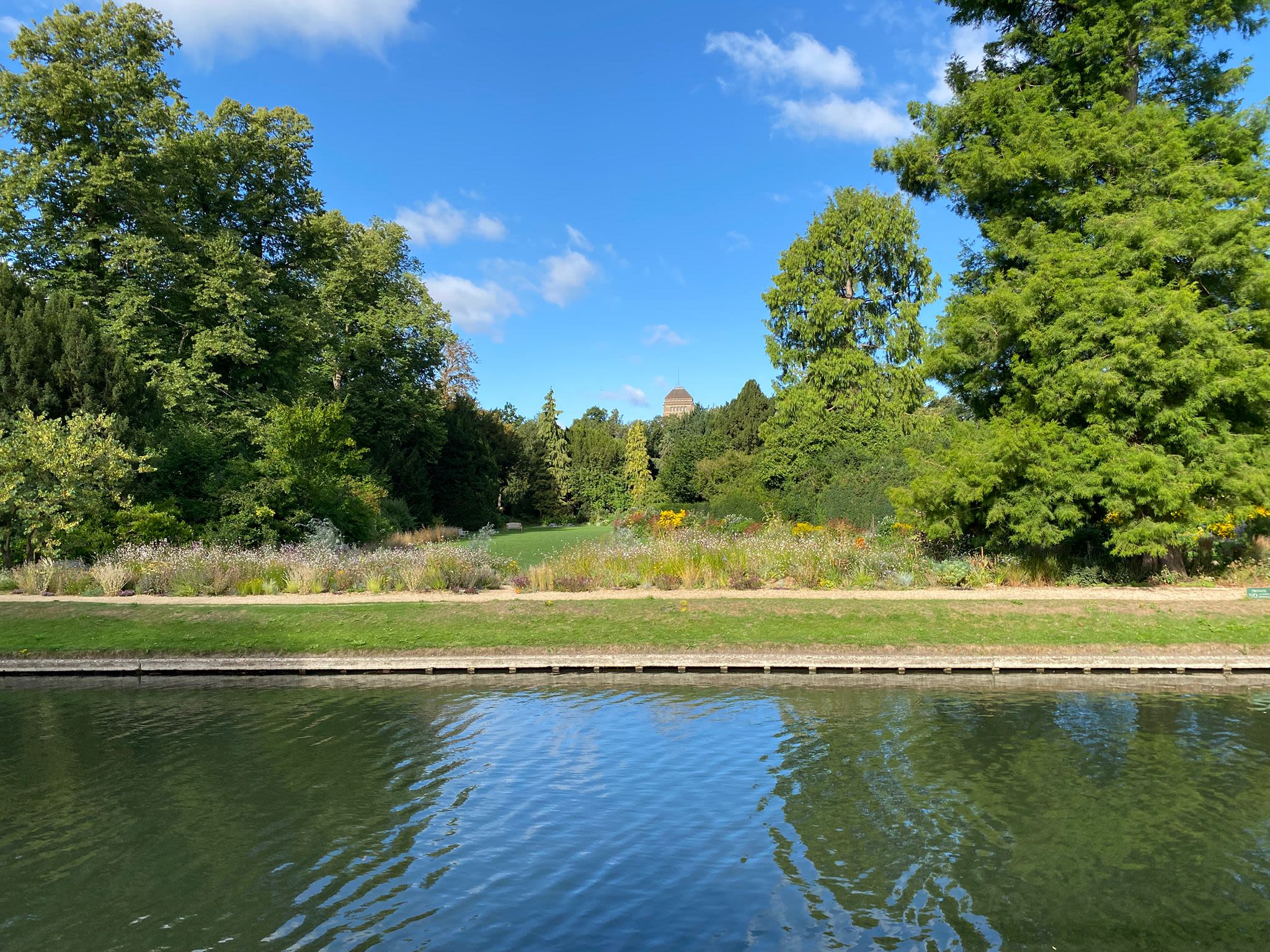
The Governing Body has endorsed the College’s ambition to move towards Net Zero across our estate and operations as soon as practicable and affordable. The costs involved will be substantial, but the science of climate change argues for swift action. Work is due to commence in early 2027 on the replacement of the ageing Memorial Court gas boilers with air source heat pumps. At Castle Court and the College’s other external properties such as Clare Court and St Regis, decarbonisation work will be undertaken in tandem with planned refurbishment over a 10-year period. Grade-1 listed Old Court remains the most challenging part of the estate to decarbonise, and there is currently no solution that is technically feasible and acceptable to Historic England. Clare continues to explore possible solutions with other city-centre colleges and the City Council.

Our Staff
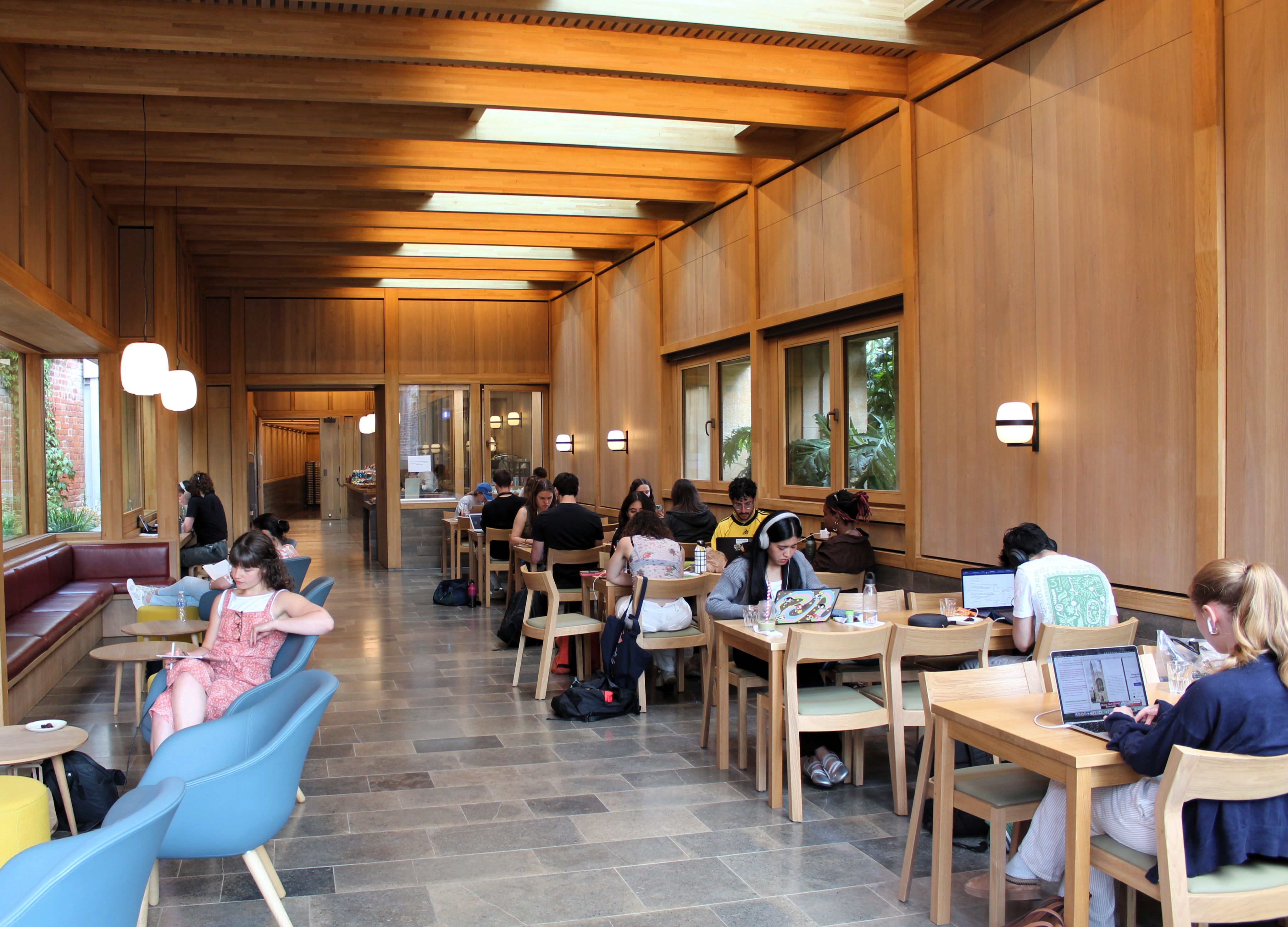
As Bursar, it is my privilege to be responsible for the majority of the College’s non-academic staff. Clare is fortunate to have staff who are loyal and hardworking, often going the extra mile. The College has recently adopted a People Strategy which sets out our commitments as an employer at every stage of an individual’s career with Clare, from recruitment and induction to succession planning. We have also undertaken our first formal staff survey which will provide a benchmark against which we can measure future progress. I am grateful to every member of staff for everything they do for the College.

 Built with Shorthand