
Alumnus of the Year
Professor Sir Jim Skea (1975)
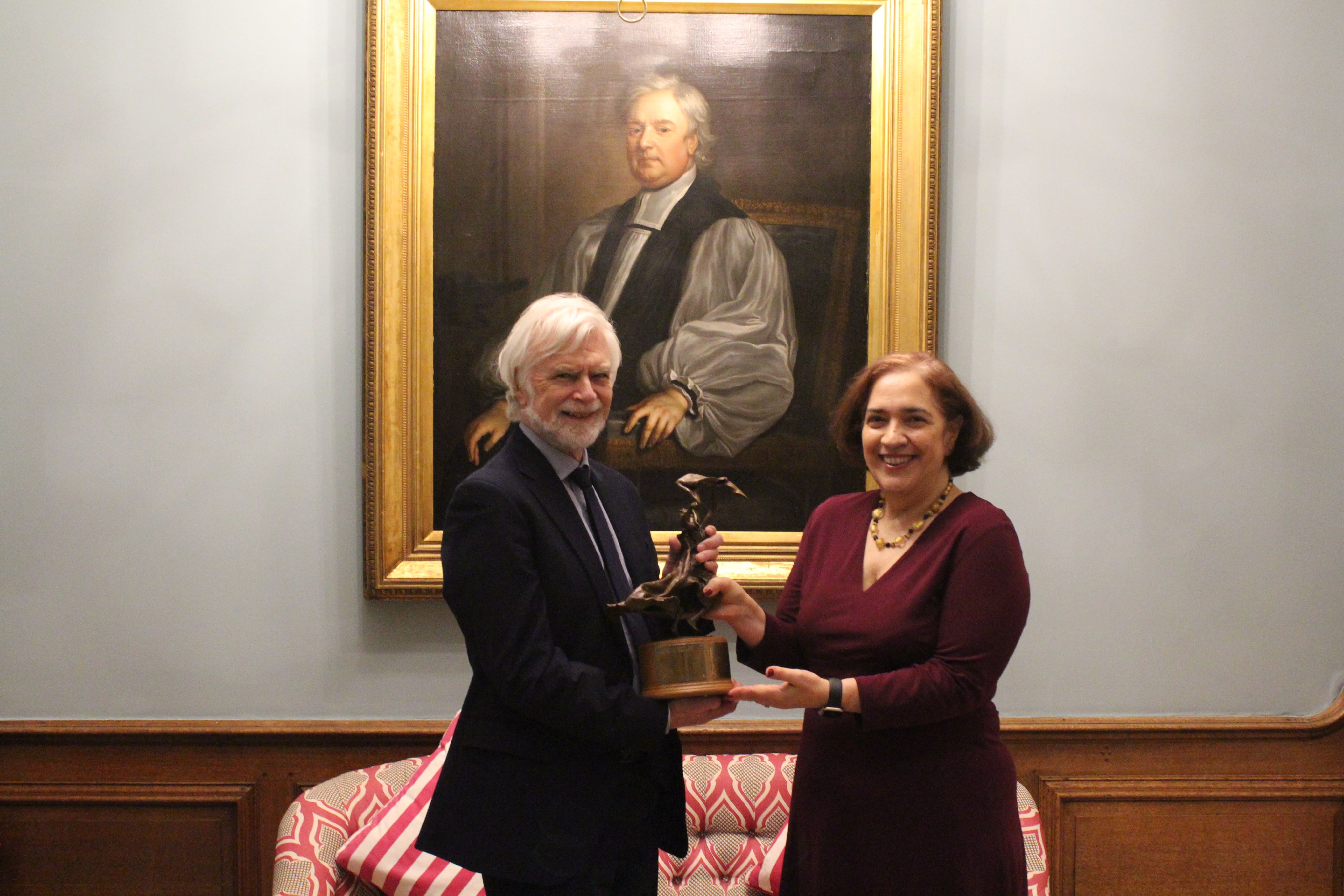

The Alumni Council elected Professor Sir Jim Skea (1975) as Alumnus of the Year for 2024–25. Jim completed a PhD in Energy Research at Clare, following his undergraduate degree in Physics at Edinburgh University. He is an internationally renowned scientist, who has dedicated over 40 years of service to energy and climate science, and mitigating the impact of climate change for the benefit of humanity.
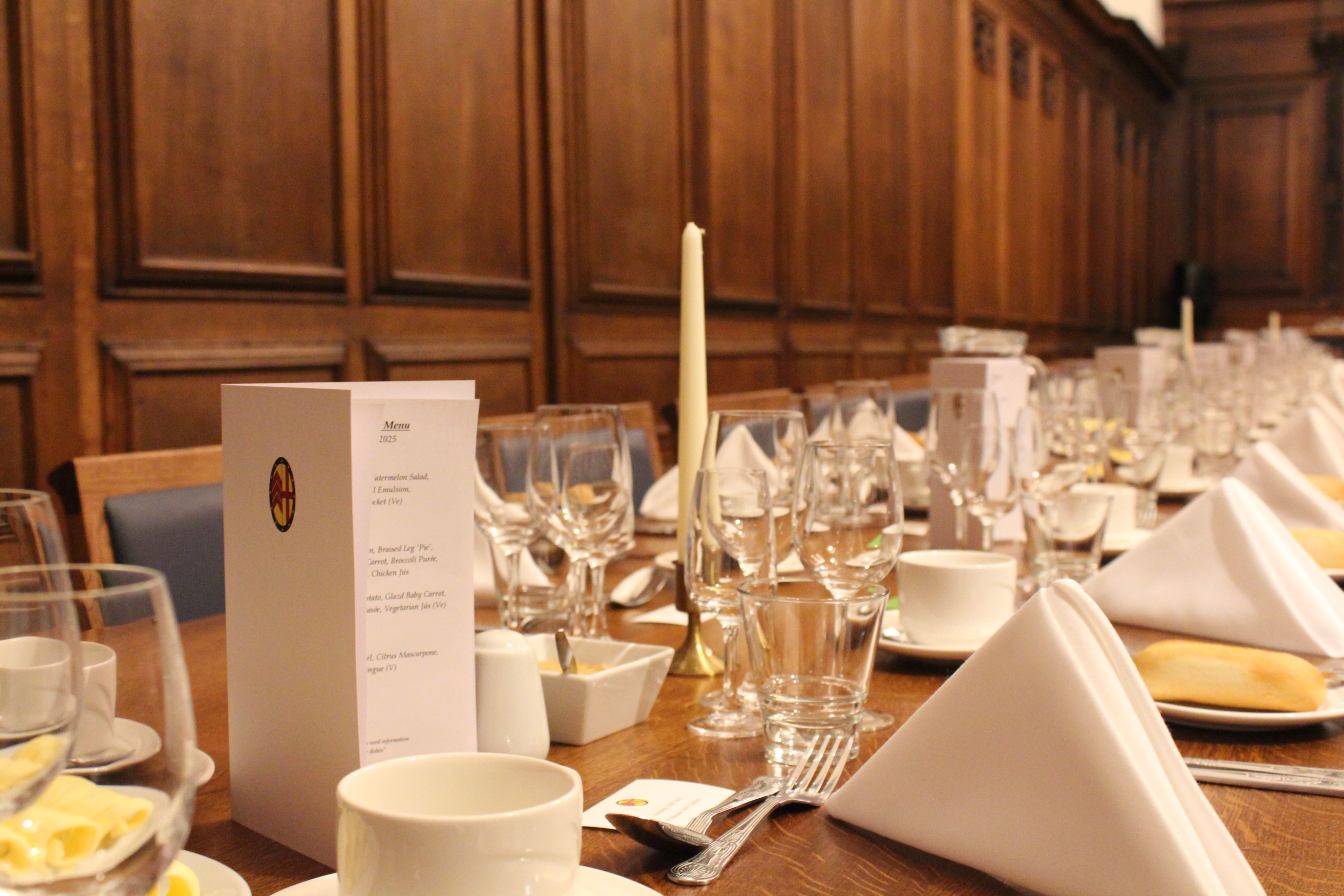
Earlier this year, Jim joined the Master and second-year undergraduates at Halfway Hall. On receiving his award, Jim gave an inspiring speech, reflecting on his journey from Dundee to Clare and his career choices that led him to being elected as the first UK Chair of the Intergovernmental Panel on Climate Change (IPCC). Jim’s interdisciplinary and unique career highlighted to the students the importance in making the very best of all opportunities that may arise throughout their lives.
Here are some of the highlights from Jim's speech.


Cultural Shift from Dundee to Cambridge
I come from Dundee, Scotland. We are very precise in our use of language. Thanks to our Scottish education, we use our prepositions very carefully. So in Dundee, when you travel to Edinburgh, you travel through to Edinburgh because you travel through Fife. We travel across to Glasgow because we ‘cross the central belt’ and we travel down to London because we go south on the map. So in 1975 I came down to Cambridge, only to be told I was actually ‘coming up’. So, my world turned upside down and not only in that way.
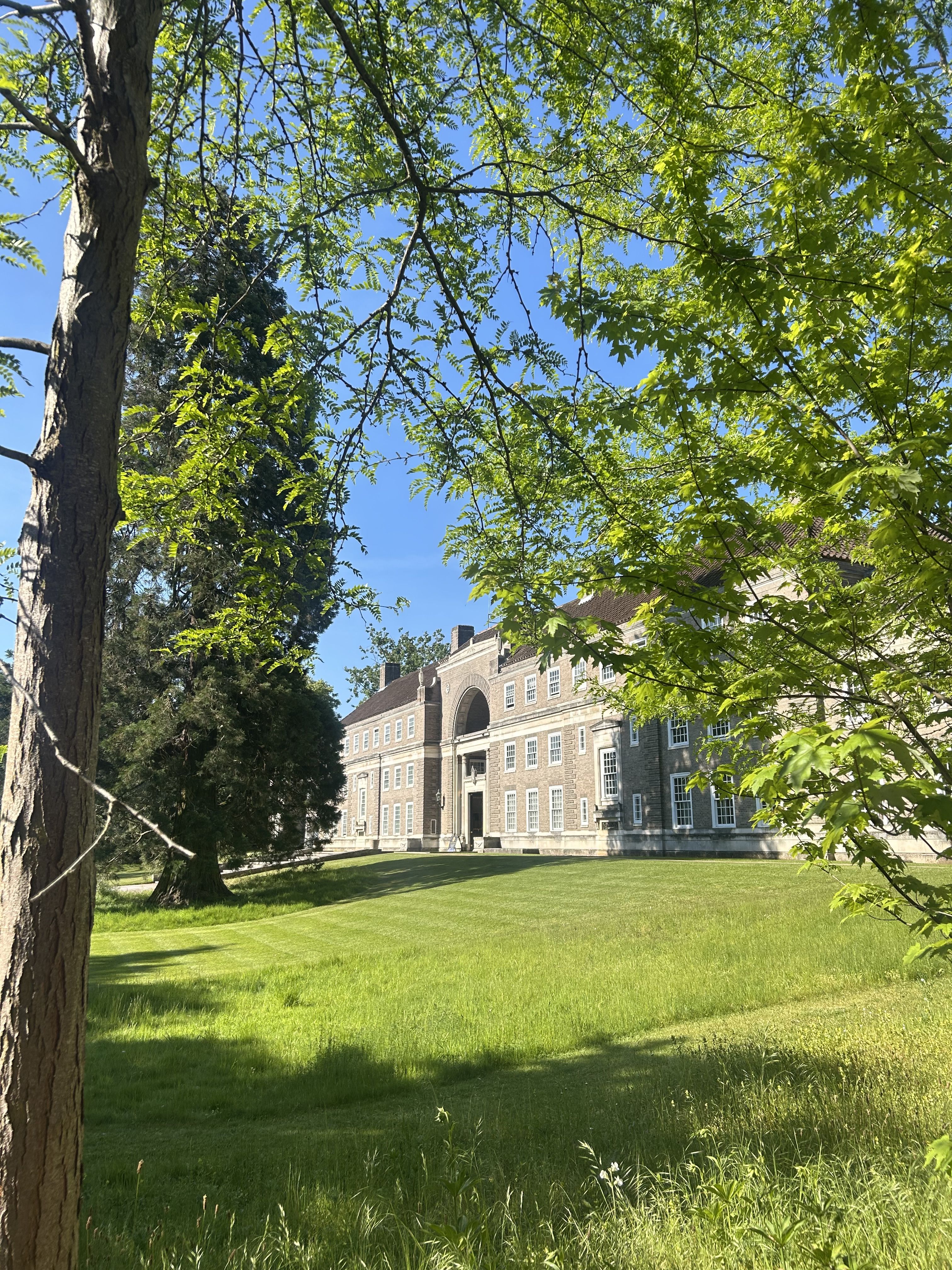
I found myself in Thirkill Court, either behind or occasionally outside locked gates after midnight. Fortunately (and this is not a hint to anybody), my room was on the ground floor opposite the University Library, so by leaving the window open just a finger full, I could enjoy the same freedoms as I did [whilst living in flats] in Edinburgh. The unfortunate thing was that some of my new found friends also discovered that they could use my room as a highway between the outside world and getting back into College again!
The Journey Away from Physics – an Interdisciplinary Shift to Social Sciences
Climate change was hardly heard of when I started my career and, frankly, serendipity has played a big role in my career.
Three years into my Physics degree in Edinburgh, I decided I didn’t want to be a physicist when I grew up. I was attending classes on the history and philosophy of science on the side, which I found much more interesting.
I heard that Professor Richard Eden had set up a new
interdisciplinary research group at the Cavendish Lab, looking at energy from a policy perspective, and he was recruiting PhD students. I should say that Ken Riley, who is an Emeritus Fellow and was Senior Tutor at the time, facilitated my entry into Clare College. We were sent to Economics classes, hearing from lecturers who reflected two different schools of thought – one Neoclassical and the other one Post-Keynesian… that’s where I learned about the shades of grey in academic endeavour.
The next stage in my journey was when I was poached by a US academic from Carnegie-Mellon University in Pittsburgh. There I was involved in analytical work which supported the development of emissions trading arrangements that eventually became part of the US Clean Air Act. I learned two things in the US: firstly about the environmental dimensions of energy use and, secondly, how to be an academic entrepreneur and fundraiser.
Back in the UK, I spent 15 years at Sussex University where I quickly moved towards social science through a project looking at the diverse policy responses across Europe to the challenges of acid rain and Forest Dieback with a colleague from an International Relations background. We were greatly influenced by a book co-authored by Eric Ashby, called The Politics of Clean Air, which disentangled all the political, institutional and economical threads leading to the UK’s 1956 Clean Air Act. We modelled our work there, looking at German and UK approaches to Transboundary Pollution.
In 1995, as Director of the Global Environmental Change Program (ESRC), I was appointed with a specific task of improving the communication and utility of the many diverse research projects, which covered everything from studies of Shamanism in Siberia – with Piers Vitebsky over at the Scott Polar Research Institute here in Cambridge –through to the macroeconomic studies of global carbon taxes.
Founding Member of the UK’s Committee on Climate Change
This involved setting the UK’s initial 2050 Emission Reduction Target and recommending the Five-Year Carbon Budgets that charted a path towards that 2050 goal.
I remember on the Friday mornings, when we had committee meetings, I headed off out of my flat with a spring in my step, looking forward to discussing the biggest long-term challenge facing humanity, with some of the cleverest people I knew. I was a member of that for 11 years and I really got a big kick out of it.

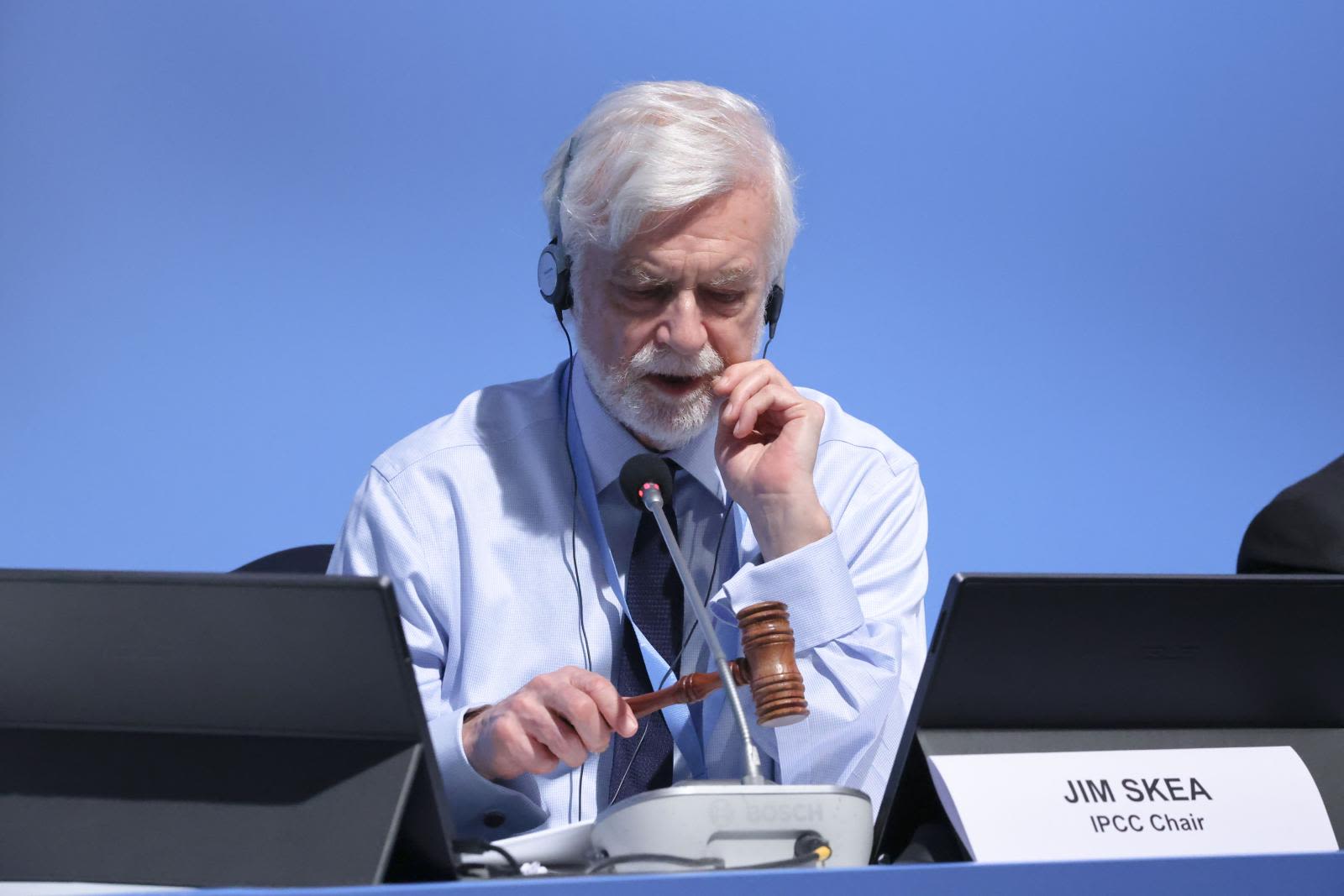
Nomination as Co-Chair of IPCC Working Group III
Having initially supported my nomination, the incoming government changed its mind after the 2015 election, largely because of the expense of financing a Technical Support Unit. But then the heavy hitters from other countries came in and lobbied the UK Secretary of State to nominate this person called Jim Skea. And miracle of miracles, at 5pm on a Friday afternoon, I got a call from the Department of Energy and Climate Change asking whether I’d like to be nominated. I gave this deep thought for about a nano-second and said yes to the proposal, which I think was genuinely life changing. Getting that special report of global warming 1.5 degrees through a contentious government approval was really memorable and we also had a big role in the media campaign afterwards.
Election as Chair of the IPCC in 2023
What I didn’t previously know is that the Foreign Office has something called a multilateral elections and appointments task force and its sole purpose in life is to get Brits elected to senior international positions. They have a number one priority each year and IPCC was their priority in 2023, so I got the full treatment – there was a brochure, endorsements, and a video which at home we called ‘Jim Skea The Movie’ and there were ambassadors and ministers pressing the flesh for me in various parts of the world.
The election process itself is really surreal. In the conference room, each delegation comes forward, one at a time, to drop their vote into a ballot box and the votes are counted in real time, so it becomes a surprise (a bit like the Oscars!) for the one who wins. The outcome, was that I received the biggest number of votes in the second runoff ballot, exactly as predicted by the Foreign Office team. There were four excellent candidates for the role and I’m pleased to say that we are all friends still and each one is still professionally connected with IPCC.

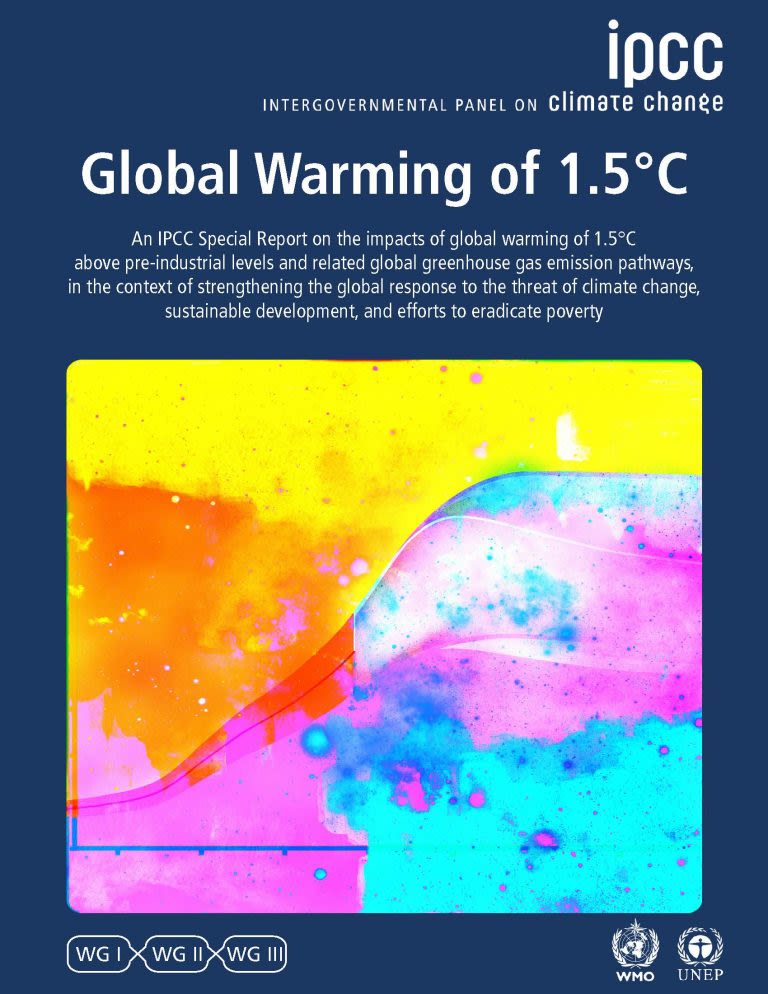
IPCC Special Report on Global Warming of 1.5 Degrees
IPCC Special Report on Global Warming of 1.5 Degrees
Scroll to take a look at an overview of Jim's career...

 Built with Shorthand