Charles Carroll
1723–1783
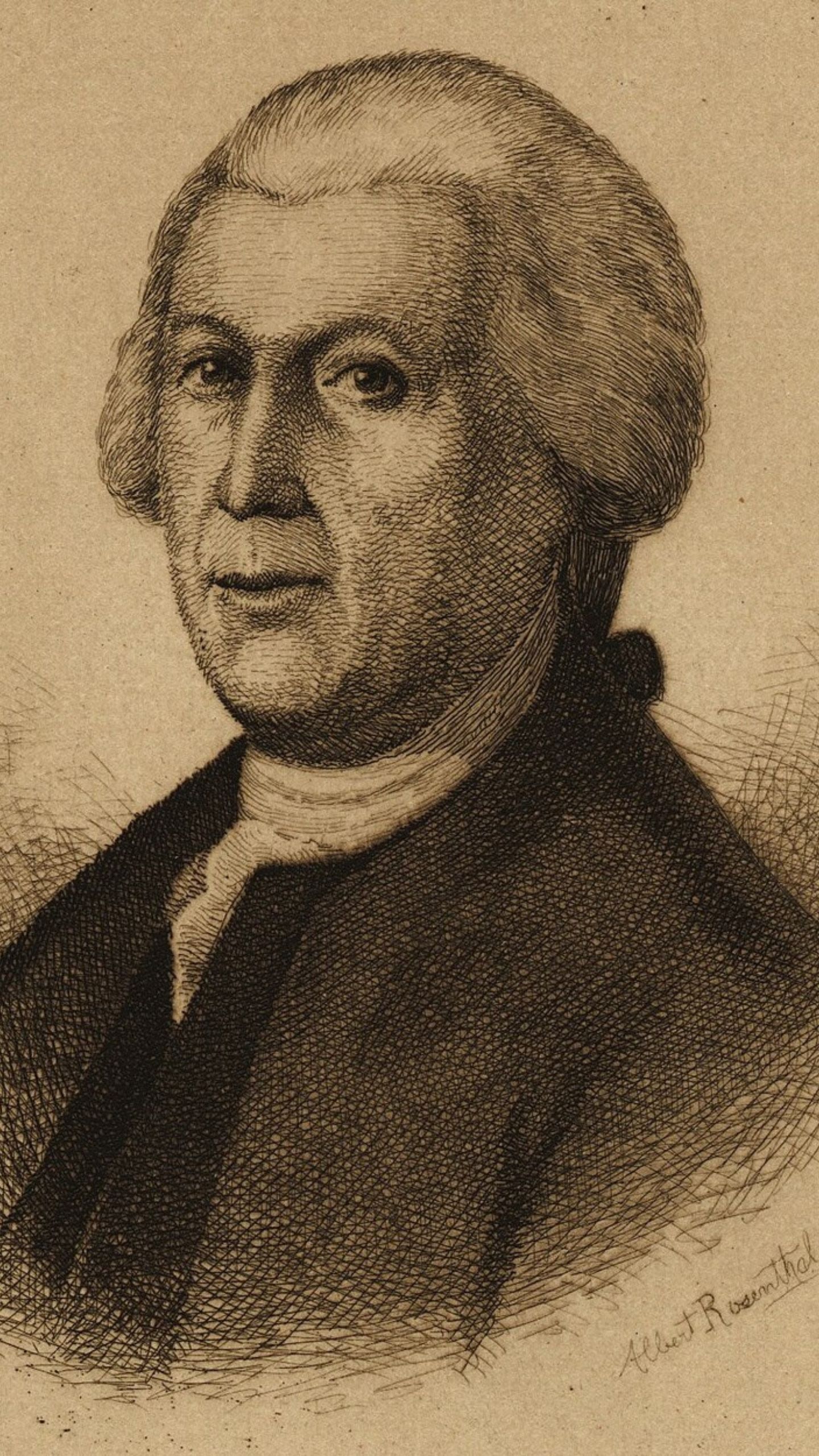
According to the history of Clare published for the College’ sexcentenary, ‘In legal learning and in statesman-like accomplishments, Charles Carroll was not surpassed’. Born and raised in colonial Maryland, he honed his intellectual skills as a student at Clare. Returning to Annapolis after graduation, he embarked on a successful career as a barrister.
Drawn to revolutionary politics, Carroll became a representative in the General Assembly in 1756. With his wit and intelligence, he soon found himself at the forefront of the American Revolution, serving his state and nation in the pivotal year of 1776. Not only did he help to draft the Maryland Declaration of Rights, Carroll also represented Maryland at the decisive Second Continental Congress. He dutifully saw his state through Revolution, serving on the Maryland senate until his death in 1783.
When Carroll entered politics in 1756, he also inherited his father’s vast Baltimore estate. As a wealthy professional whose passions included hunting and racing, Carroll wanted to build a country house to reflect his status. The result was Mount Clare, a remarkable mansion named for Carroll’s sister and grandmother (and perhaps also for his alma mater). Built with enslaved and indentured workers, Mount Clare is one of many poignant reminders of those who were excluded from the fight to free America – a fight to which Carroll dedicated much of his adult life.

 Built with Shorthand